Warning: Late repayment can cause you serious money problems. For help, go to MyMoney.gov. We are a broker, NOT a lender.

Warning: Late repayment can cause you serious money problems. For help, go to MyMoney.gov. We are a broker, NOT a lender.
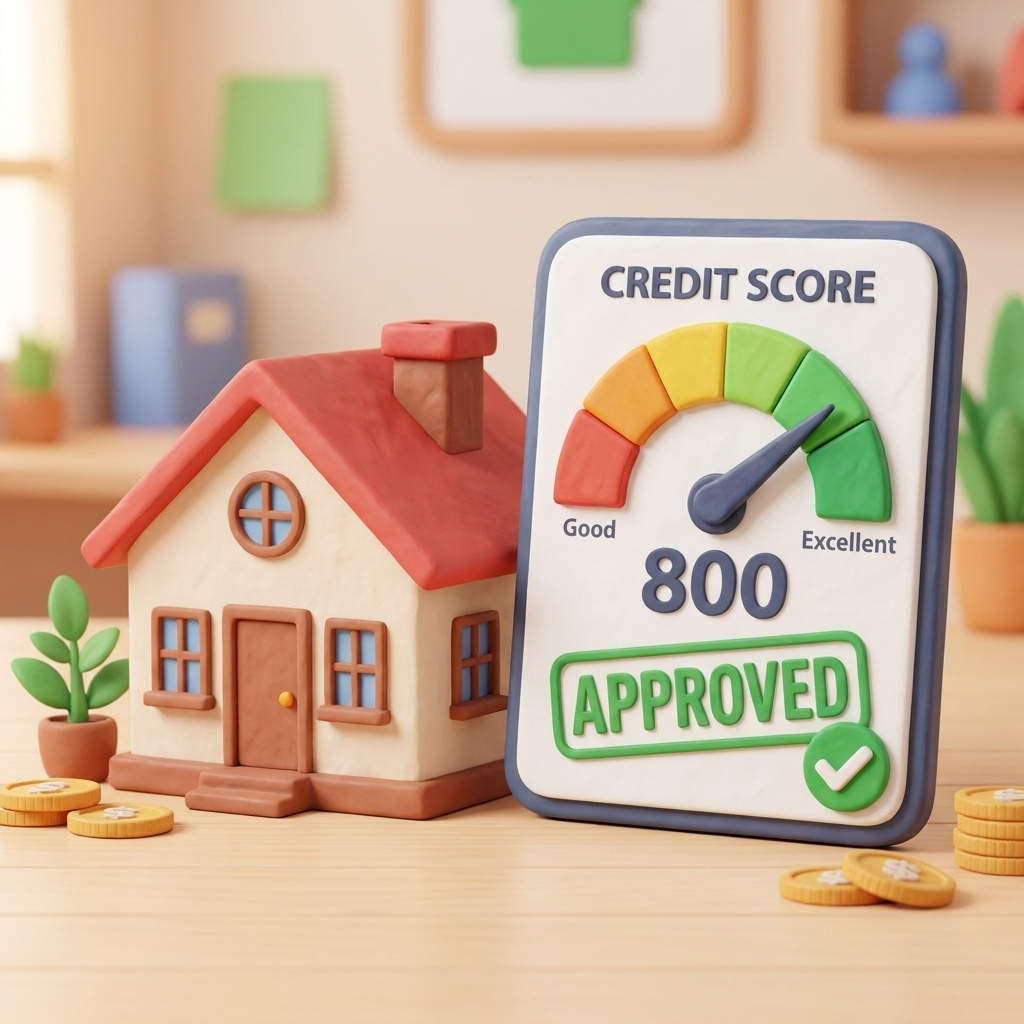
Understanding the relationship between credit score and personal loan options is essential for building a strong financial future. Whether you are planning to borrow for short term needs or long term goals, your credit profile plays a central role in determining what opportunities are available to you.
A well managed credit score can unlock better loan terms, lower interest rates, and greater financial flexibility. At the same time, using personal loans responsibly can actually help strengthen your credit over time. This guide explains how these two elements work together and how you can use them to your advantage.
Before exploring loans, it is important to understand what is a credit score range and why it is so important.
A credit score is a numerical representation of your creditworthiness. It reflects how reliably you have managed borrowing in the past.
According to the Consumer Financial Protection Bureau credit score guide, lenders use this score to assess the risk of lending money.
In the United States, credit scores typically range from 300 to 850.
Understanding what is a credit score range helps you evaluate where you stand and what improvements may be needed before applying for a loan.
The connection between credit score and personal loan approval is direct. Lenders use your score as a key factor when deciding whether to approve your application and what terms to offer.
A common question is what credit score needed for personal loan approval.
Most lenders prefer a minimum score of around 630. However, higher scores improve your chances significantly and often lead to better interest rates.
The Experian guide to personal loan requirements explains that lenders also consider income, debt levels, and employment stability alongside your credit score.
Your credit score influences:
A higher score signals lower risk, which allows lenders to offer more favorable conditions.
Many people assume that taking out a loan will harm their credit. In reality, responsible use of a personal loan can strengthen your credit profile.
Making on time payments is one of the most important factors in your credit score. A personal loan provides an opportunity to demonstrate consistent repayment behavior.
Credit scoring models reward having a mix of credit types. Adding a personal loan to your profile can improve this mix.
Using a personal loan to consolidate credit card debt can lower your credit utilization ratio. This can have a positive impact on your score.
The Equifax explanation of credit factors highlights how payment history and credit utilization influence your score.
A personal loan can be a strategic financial tool when used correctly.
Combining multiple high interest debts into a single loan can simplify payments and reduce overall costs.
The Federal Reserve consumer credit resources explain how structured repayment plans can support financial stability.
Personal loans provide quick access to funds during emergencies, helping you avoid high cost alternatives.
Loans can also be used for planned expenses such as home improvements or education, allowing you to invest in your future.
Another important question is what is a good credit score to buy a house.
Mortgage lenders typically require higher credit scores than personal loan providers.
Improving your credit score before applying for a mortgage can save you thousands over the life of the loan.
The Bankrate mortgage credit score guide provides a detailed breakdown of requirements and expectations.
Understanding what affects your score can help you improve it.
Consistently paying bills on time is the most important factor.
This measures how much of your available credit you are using. Lower utilization is better.
Longer credit histories provide more data for lenders to evaluate.
Applying for multiple accounts in a short period can lower your score temporarily.
If you want to strengthen the connection between credit score and personal loan success, consider the following steps.
Set reminders or automate payments to avoid missing due dates.
Focus on paying down high interest balances first.
Limit new credit inquiries before applying for a loan.
Regularly reviewing your credit report can help you identify errors and track progress.
The Annual Credit Report official site allows you to check your credit reports for free.
Not all personal loans are the same. Selecting the right one can enhance your financial strategy.
The Forbes Advisor personal loan comparison offers insights into evaluating lenders and finding suitable options.
Even with a strong credit score, certain mistakes can reduce your chances of success.
Taking on unnecessary debt increases financial pressure.
Late payments can significantly damage your credit score.
Failing to understand repayment conditions can lead to unexpected costs.
Avoiding these mistakes helps you maintain a healthy financial profile.
Most lenders look for a score of at least 630, but higher scores improve approval chances and reduce interest rates.
Credit scores typically range from 300 to 850, with higher scores indicating better creditworthiness.
Yes, if managed responsibly. On time payments and reduced credit utilization can positively impact your score.
A score of 740 or higher is ideal for the best mortgage rates, though some programs accept lower scores.
A strong credit score leads to better loan terms, while responsible loan use can improve your financial stability over time.
The relationship between credit score and personal loan options plays a crucial role in shaping your financial future. A strong credit score opens the door to better borrowing opportunities, while responsible use of personal loans can help you build and maintain that score.
By understanding what credit score needed for personal loan approval, learning what is a credit score range, and recognizing what is a good credit score to buy a house, you can make informed decisions that support your long term goals.
With careful planning and disciplined financial habits, you can use credit as a tool to improve your finances and create greater financial security.

Credit Results is a trading style of Fort Media LLC, a company incorporated in the United States.
Principal Office Address: 7345 W Sand Lake Rd, Ste 210, Off 7688, Orlando, FL 32819.
Registered Office Address: Resident Agents Inc, 8 The Green, Ste R, Dover, DE 19901.
Fort Media LLC operates as a credit broker, not a lender. We do not charge customers a fee for using our services but may receive a commission from lenders or other brokers if a customer enters into a consumer credit agreement following an introduction through our platform. We work with a selected panel of lenders and brokers to offer a variety of credit and loan products.
When you apply for a loan through us, the lender will provide you with all relevant information about interest and associated charges. Please note that the lender or broker we refer you to may not offer the cheapest loan available for your specific needs.
Loans are available to individuals aged 18 or over and are subject to status and affordability checks. While many applications are processed online, certain circumstances may require lenders to contact you directly.
By using our services, you agree that all communications will be in English.